.png)


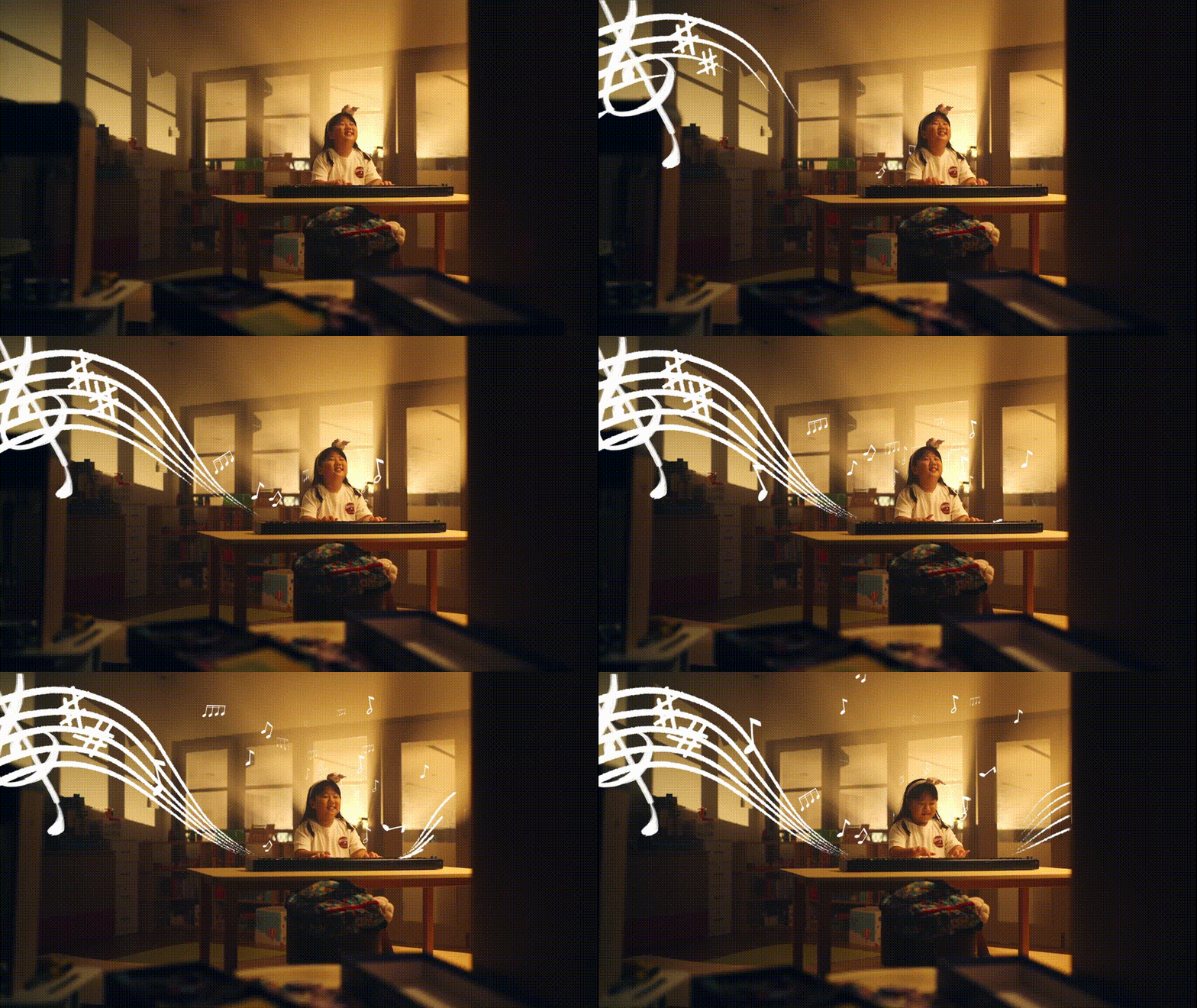
CDAC has been part of Singapore's social fabric for over three decades. The challenge was not awareness. The organisation needed people to understand not just what CDAC does, but what it makes possible, and to feel the weight of that difference. A programme description can tell you there is tuition support. A story tells you what a family's life looks like before and after that support arrives. CDAC needed the second thing.
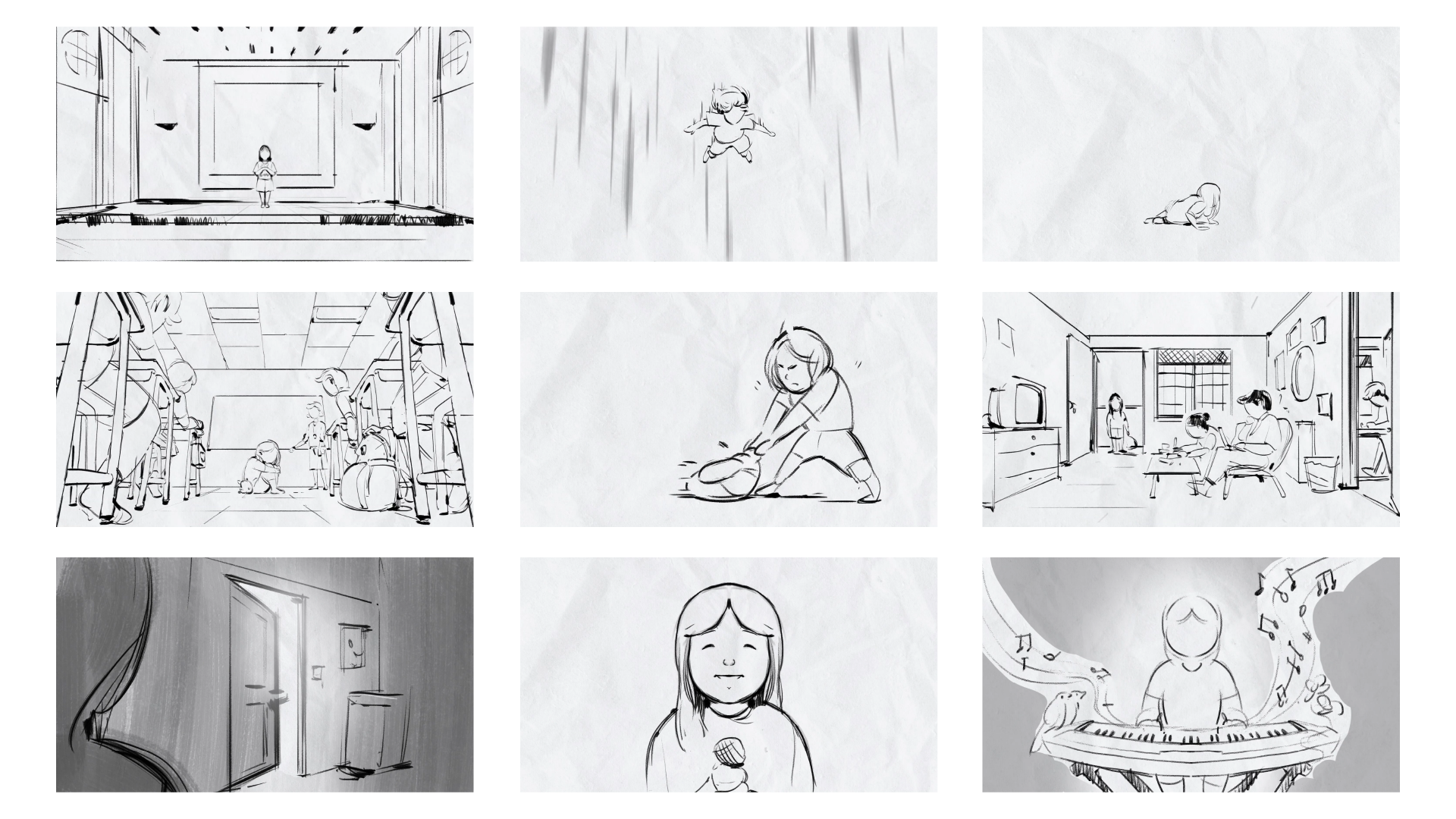
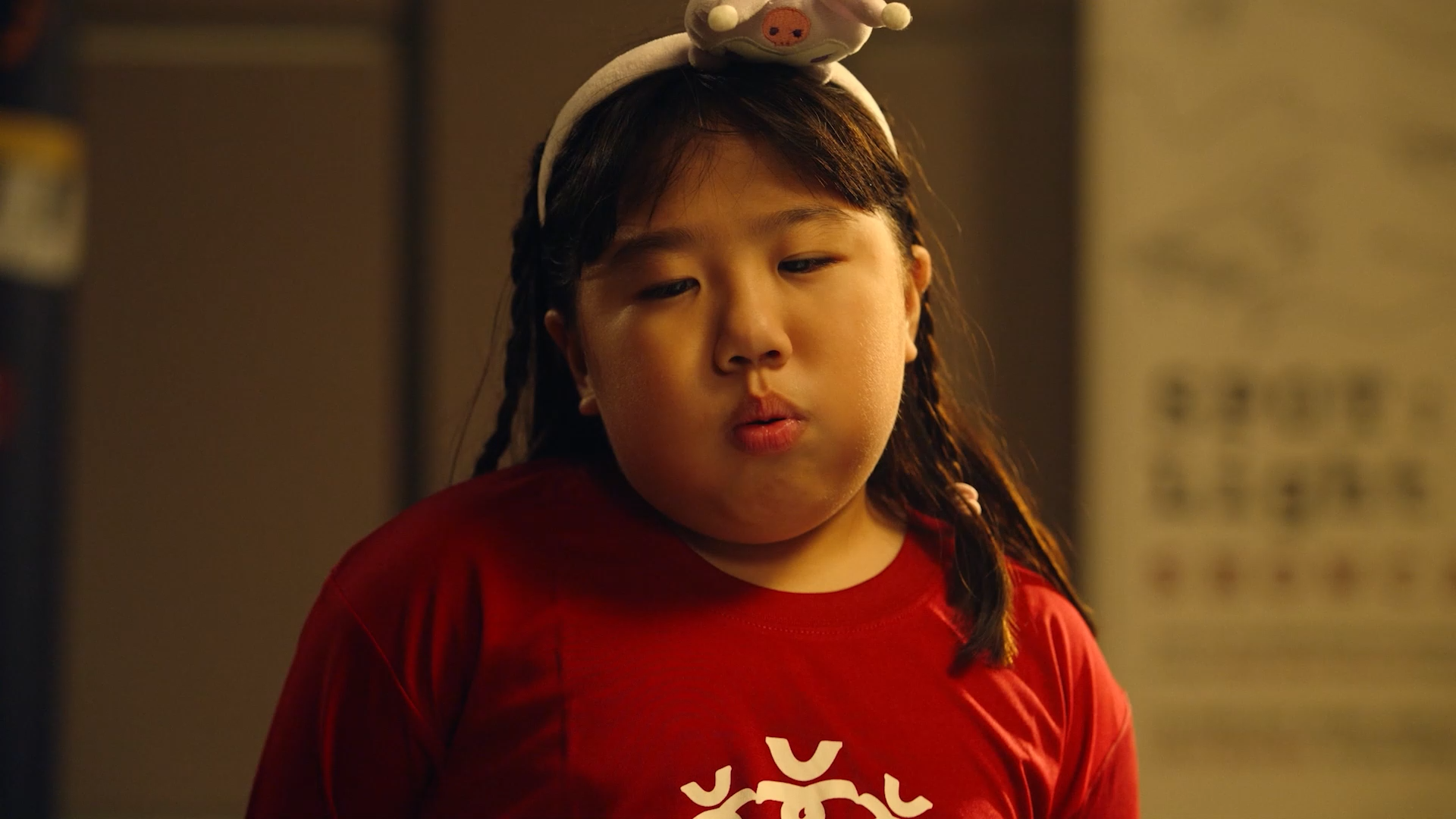
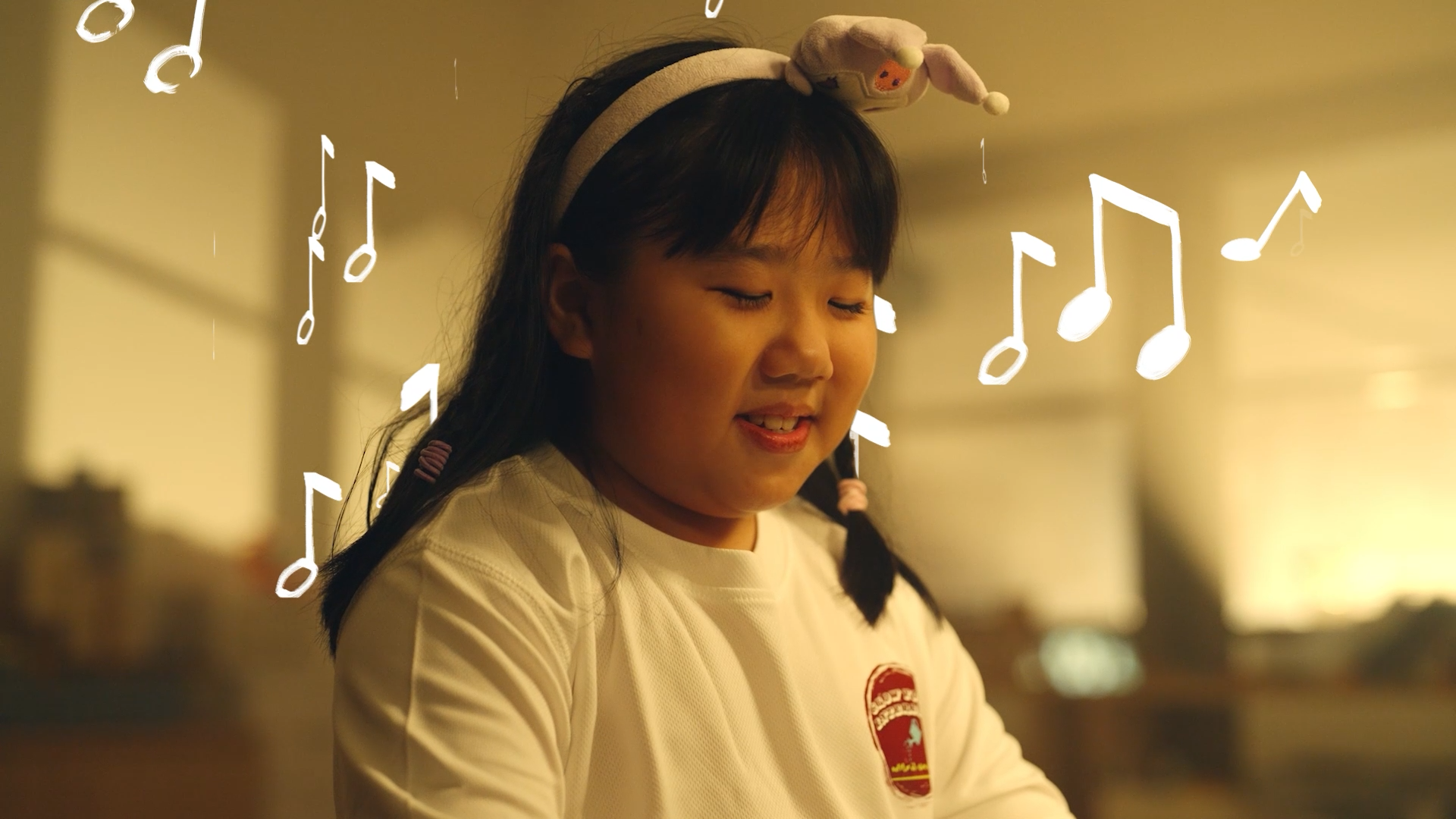
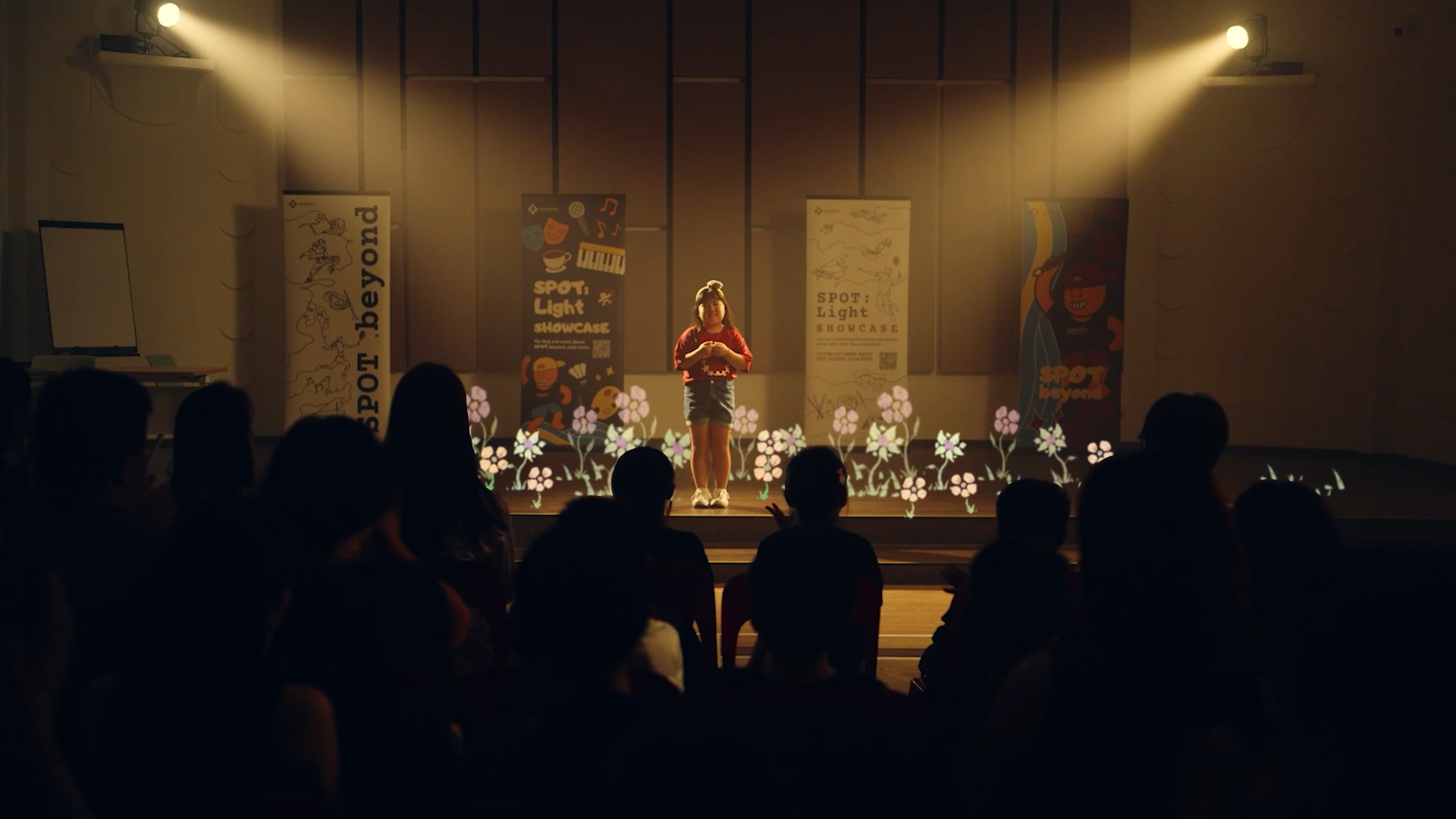
We asked what CDAC's impact actually looked like from the inside. Not from an institutional perspective, but from the perspective of the people who receive it. What we found was that the most visible transformation happens in children. A parent's financial stress is abstract. A child's growing confidence is concrete. That became the film's foundation.
The film follows Clara, ten years old, through two versions of her world. Before CDAC: withdrawn, uncertain, a home under quiet financial pressure. After: discovering new skills, finding confidence, a family with more room to breathe.
Live action alone could not carry the full story. CDAC's impact includes internal changes, shifts in self-perception, in hope, in how a child moves through the world, that do not photograph easily. Animation was introduced not as a stylistic choice but as a narrative tool: to render the emotional and imaginative spaces that a camera cannot enter. The two modes work together. Live action anchors the story in reality. Animation extends it into the truth of what these children are actually experiencing.